If your floor vent doesn't fit properly, it tells you: it rocks when you step on it, it buzzes when the furnace kicks on, or it sits a few millimetres proud of the flooring and catches a toe every time you walk past. Nine times out of ten the cover isn't defective — it was built to sit in a different kind of opening than the one cut into your floor. Working out which problem you actually have takes about five minutes, and it decides what you should buy to replace it.
Measure the duct opening, not the old cover
Two numbers matter here, and mixing them up causes most bad fits. The duct opening is the hole in your subfloor — that is the number a vent is named after. The face size is the outside dimension of the visible cover, which is always larger. A 4x10 vent drops into a 4" x 10" opening; its face overlaps the flooring around it by design.
Lift the old cover out and measure the opening itself at its narrowest point, including any duct-boot lip that intrudes into the hole. If you have never done this, our guide on how to measure floor vents for the right size fit covers the spots people miss. Most Canadian homes land on 3x10, 4x10 or 4x12 — the three sizes we stock across the floor vent collection.
Why a vent rocks, rattles or lifts
Rattle is movement. A cover that only rests on top of the flooring with nothing gripping the duct will vibrate every time air moves through it, and thin or plastic registers make it worse because they flex. Three usual culprits:
- Nothing holds it down. Screwless covers that simply sit in the hole rely on their own weight. Metal helps; a compression fit helps far more.
- The opening is slightly oversized. A few millimetres of slop in each direction is enough to let a cover shift and buzz.
- A warped or crushed boot. If the sheet-metal boot below is bent, the cover catches on one corner and never seats level.
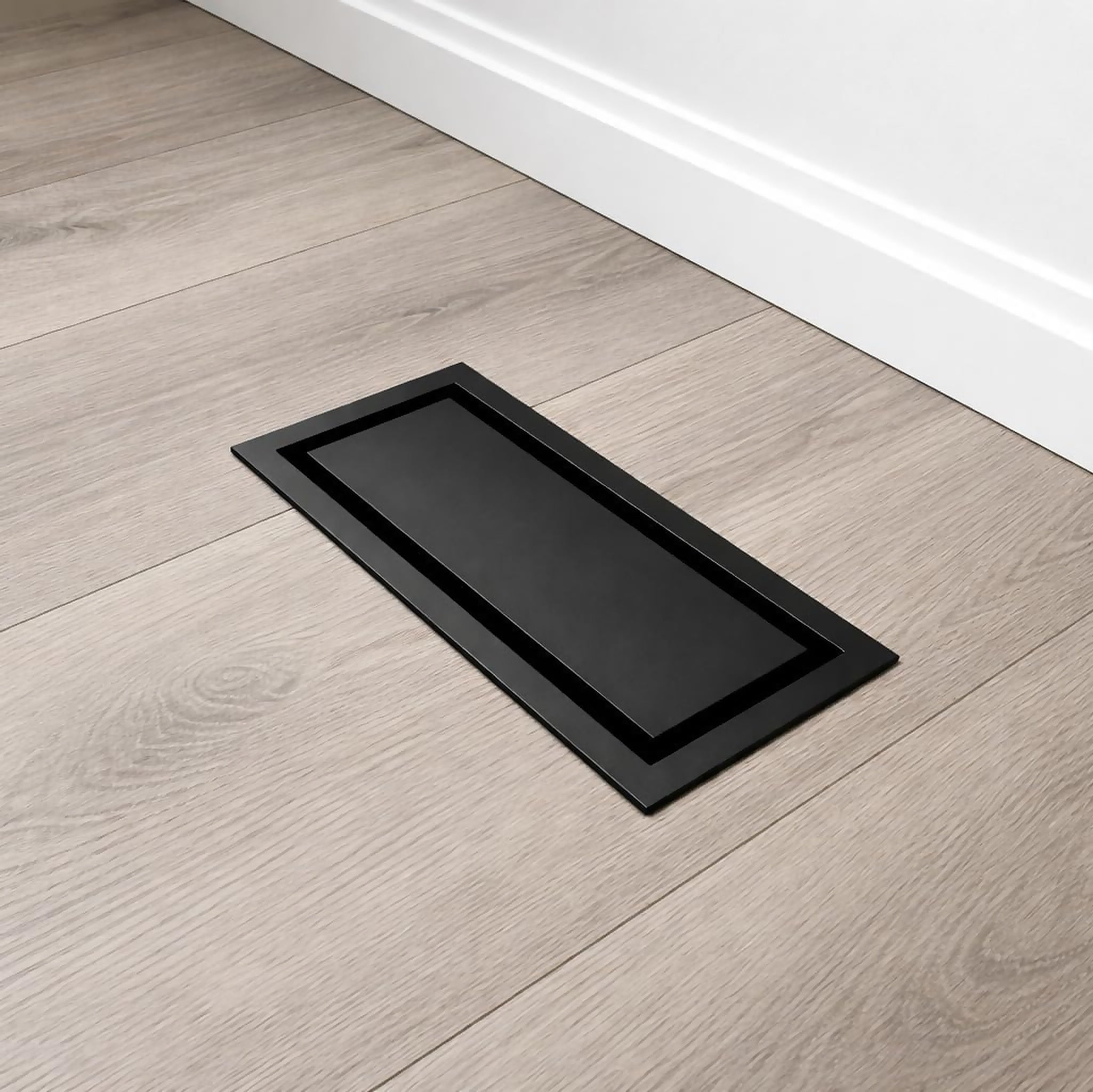
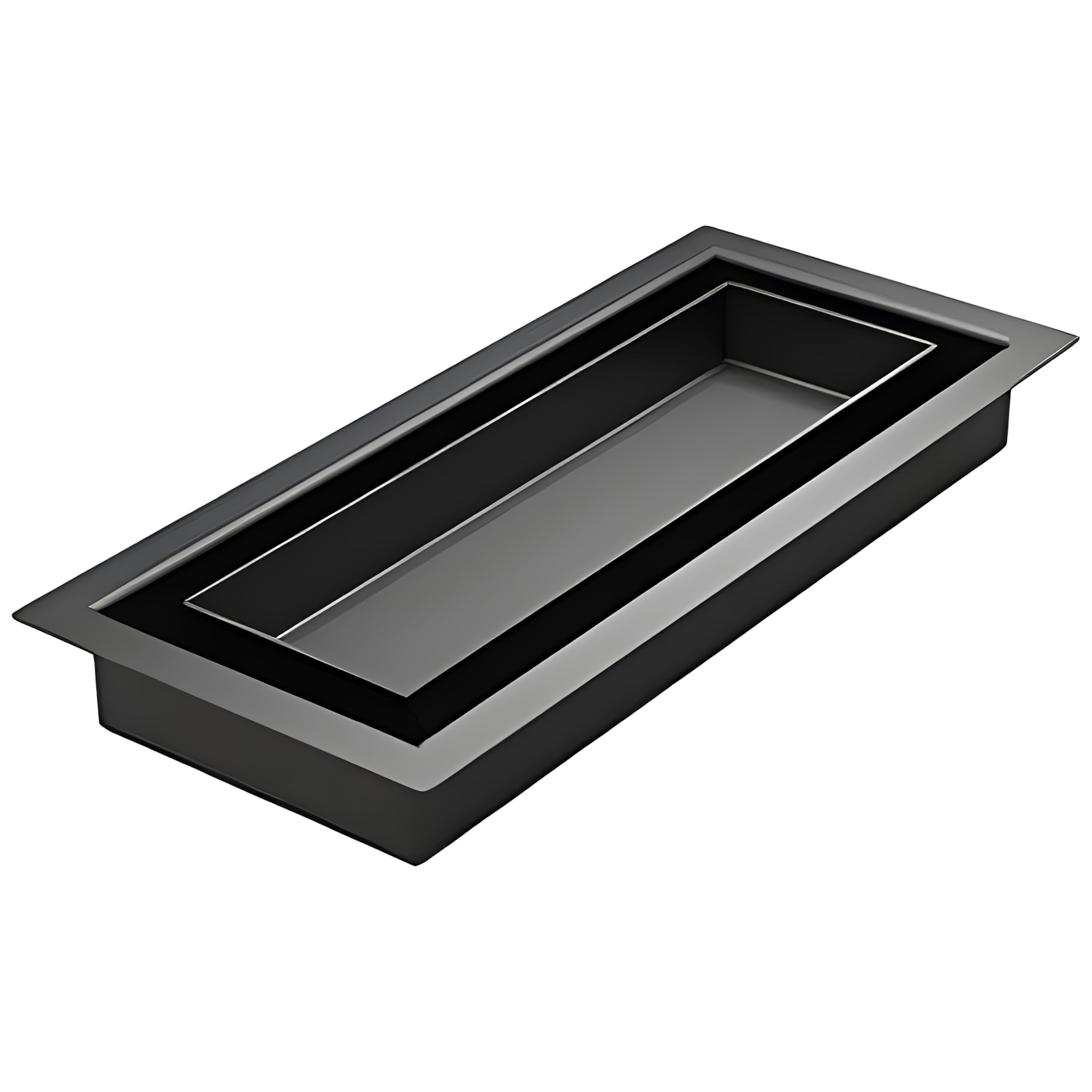
The durable fix is a cover that grips the opening rather than resting on it. Our best-selling all-metal Drop-In Floor Vent (from $33.99 in 3x10, 4x10 and 4x12) uses a click-in compression fit, so the frame presses against the inside walls of the duct opening — nothing to rattle, and no screws driven through new flooring. Because it is 100% metal, it also won't warp or soften over a hot supply run the way plastic registers can, and the open click-in design moves up to 60% more airflow than comparable flush vents.
Sitting too high or too low? Match the style to your floor build
If the fit is snug but the cover still stands above the floor, you have a mounting-style question rather than a sizing one. A drop-in vent is meant to sit in the opening with its face slightly above the flooring — that is normal and it is the right choice for a floor that is already finished. A truly level, no-lip result has to be built into the subfloor instead: our Undermount Flush Floor Vent (from $54.99) installs below the surface so the flooring runs right up to the edge.
The catch is sequencing. Undermount only works if the vent goes in before or during the flooring install, which is why it belongs on a renovation checklist and not a Saturday-afternoon swap. The undermount subfloor install guide shows where in the sequence it lands, and drop-in versus undermount floor vents compares the two side by side if you are still deciding.
Want the cover to disappear into the floor without opening up the subfloor? The Upgraded 2-in-1 Drop-In Vent with Insert (from $37.99) takes a piece of your own flooring in the face, and replacement inserts in a 4-pack ($24.99 in 3x10 and 4x10) let you redo them if your flooring changes later.
When the opening is oversized or the boot is damaged
Openings cut oversized by a previous installer are common in older homes and in floors that have been refinished more than once. Before ordering, check whether the extra width is in the wood or in a bent boot below — if the boot is the problem, straightening the lip with pliers often brings the opening back to a nominal size. If the wood itself is cut wide, size to the actual measurement rather than the nominal one, and remember a drop-in face overlaps a fair bit of the surrounding floor, which hides ragged edges. Softwood floors sometimes benefit from a thin shim on one long side to firm up the compression fit.
Also worth checking before you replace anything: dust and pet hair packed under a cover can hold it up by a millimetre or two. Our notes on cleaning metal floor vents without damaging them cover doing that safely.
Frequently Asked Questions
What size floor vent do I need for a 4x10 hole?
A 4x10 vent. Vent sizes refer to the duct opening, not the visible face, so measure the hole in the floor at its narrowest point and buy the matching nominal size.
How do I stop a floor vent from rattling?
Clear any debris under the cover first, then check the duct boot for bends. If the cover still moves, replace it with an all-metal compression-fit vent that grips the sides of the opening rather than resting on the flooring.
Can I install a flush floor vent in a finished floor?
Not without cutting into the subfloor. On a finished floor, a drop-in vent — optionally with a flooring-matched insert — gets you the closest look with no demolition.
Share:
Standard Vent Cover Sizes: Wall Vent Sizing Chart
Matte Black or Tile Insert: Shower Drain Finish Guide