Learning how to clean floor vents is one of those small maintenance jobs that pays off all winter long. Dust, pet hair, and grit collect on the slats and inside the duct opening, and over a season that buildup quietly chokes your airflow and puts a film of grey on an otherwise sharp-looking register. The good news: a proper clean takes about ten minutes per vent, needs nothing you don't already own, and — done correctly — won't scratch or dull the finish. Here's the method we recommend for metal floor registers.
How often should you clean floor vents?
A quick surface pass every week or two keeps the worst of it at bay: run a vacuum with the brush attachment over the slats to lift loose dust. Plan a deeper wash seasonally — once in the autumn before the furnace runs hard, and again in spring before you switch to cooling. Homes with pets, wood heat, or a recent renovation will want to do it more often, since drywall dust and pet dander are the two biggest airflow killers.
If you're in a Canadian climate where the furnace runs for months straight, the autumn clean matters most — that's when a clogged register costs you the most comfort and the most money.
Step-by-step: deep cleaning a metal register
Set aside a few minutes per vent and work one at a time so you don't mix up sizes.
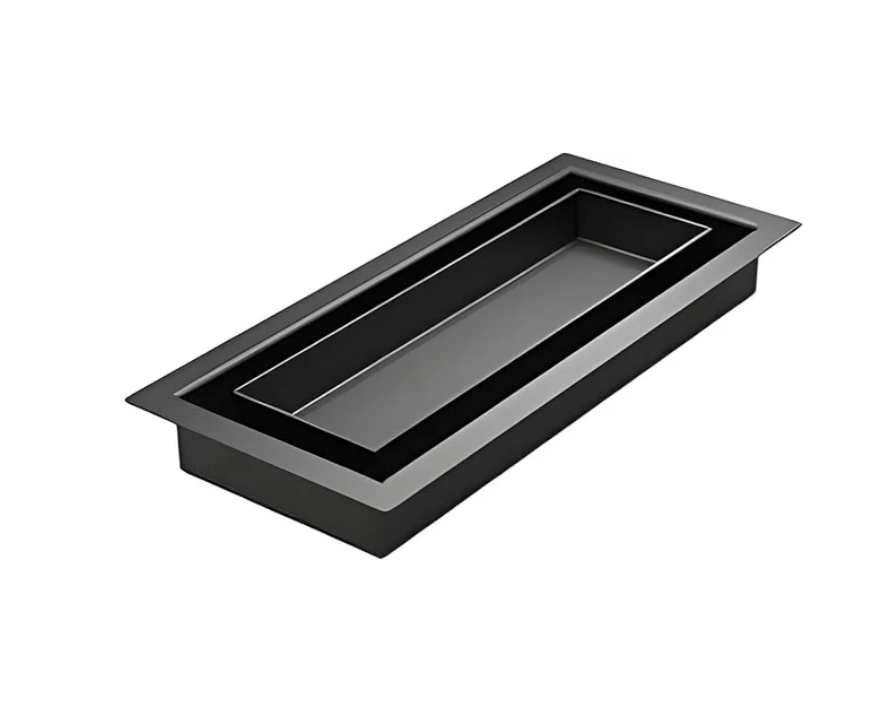
- Lift the vent out. Most drop-in style registers pull straight up out of the opening. Undermount flush vents that are set into the subfloor may have a removable core — take out only the part that lifts freely, and never pry against the surrounding floor.
- Vacuum the duct. With the cover off, vacuum as far down into the duct boot as the hose reaches. This is the step most people skip, and it's where half the dust lives.
- Soak and wash the cover. Submerge the metal cover in warm water with a few drops of dish soap for 10 to 15 minutes, then wipe between each slat with a soft cloth or sponge.
- Rinse and dry fully. Rinse off all soap and dry the cover completely with a towel before it goes back in. Trapped moisture is the enemy of a long-lasting finish.
- Reinstall. Seat the cover back into the opening, making sure it sits flat and flush.
Protecting the finish (what not to do)
The finish is what keeps a vent looking new, so treat it gently. Skip steel wool, scouring pads, and any abrasive or bleach-based cleaner — they leave micro-scratches that dull the surface and, over time, invite corrosion. Warm soapy water and a soft cloth handle almost everything.
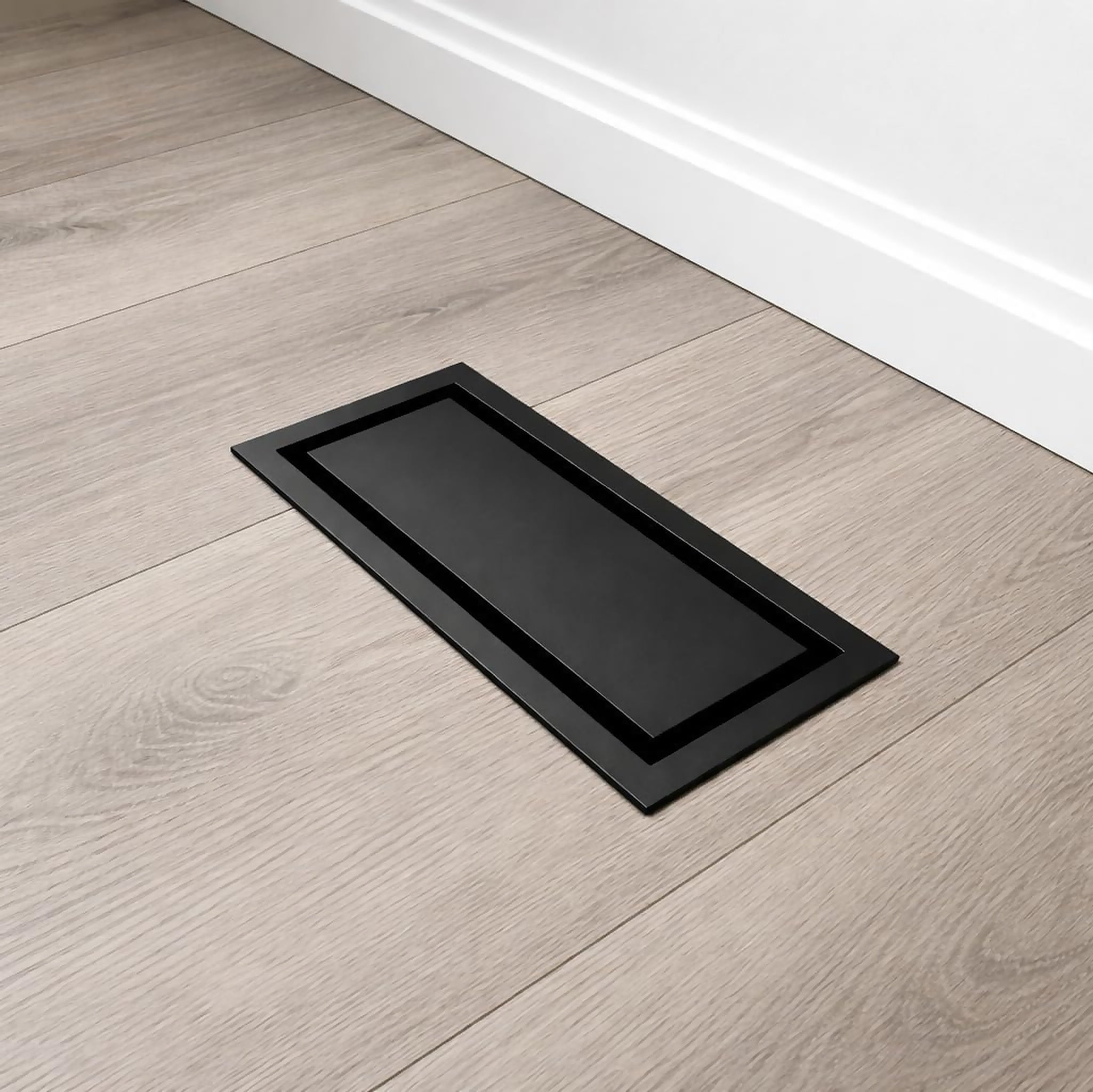
A quick word on the dishwasher trick you'll see floating around: it's risky for any painted or powder-coated register, because the heat and harsh detergent can lift the coating. For a matte-black finish like the one on our drop-in metal floor vent, hand-washing is the safe call. This is also where all-metal construction earns its keep — a solid steel register can be soaked, scrubbed, and dried without warping or clouding the way a thin plastic vent does after a few cleanings. If you are choosing a finish that hides dust better day to day, our comparison of black vs white floor vents is worth a read.
When cleaning isn't enough
Sometimes a register is past saving — the paint has chipped, a plastic vent has cracked or bowed, or the fit was always loose and rattly. If you're replacing anyway, it's worth matching the new vent to your flooring and duct opening properly. Measure the actual duct hole, not the old cover, using our guide on how to measure your vents correctly the first time. For rooms where you want the register to disappear into the floor, an undermount flush floor vent sits level with the subfloor for the cleanest look — see how the low-profile styles stack up in our roundup of hidden and flush floor vents compared. Every Khan Supply CO vent is 100% metal, ships free, and is backed by a 2-year warranty.
Frequently Asked Questions
Can you put metal floor vents in the dishwasher?
You can dishwasher-wash bare, unpainted metal, but avoid it for any painted or powder-coated register — the heat and detergent can strip the finish. Hand-washing in warm soapy water is safer and just as effective.
How do I stop my floor vents from getting dusty so fast?
Change your furnace filter on schedule, vacuum the slats every week or two, and vacuum down into the duct during your seasonal deep clean. Most fast dust buildup traces back to an overdue filter.
Will cleaning my vents actually improve airflow?
Yes. Dust and hair on the slats and inside the duct opening restrict the amount of air that can pass through. Clearing them out restores flow and helps each room heat and cool more evenly. Our real-world flush vent airflow test shows how much grille design itself affects the numbers.
Share:
Flush vs Framed Wall Vents: Which Is Right for Your Home?
Basement Bathroom Ideas for Canadian Homes (Reno Guide)