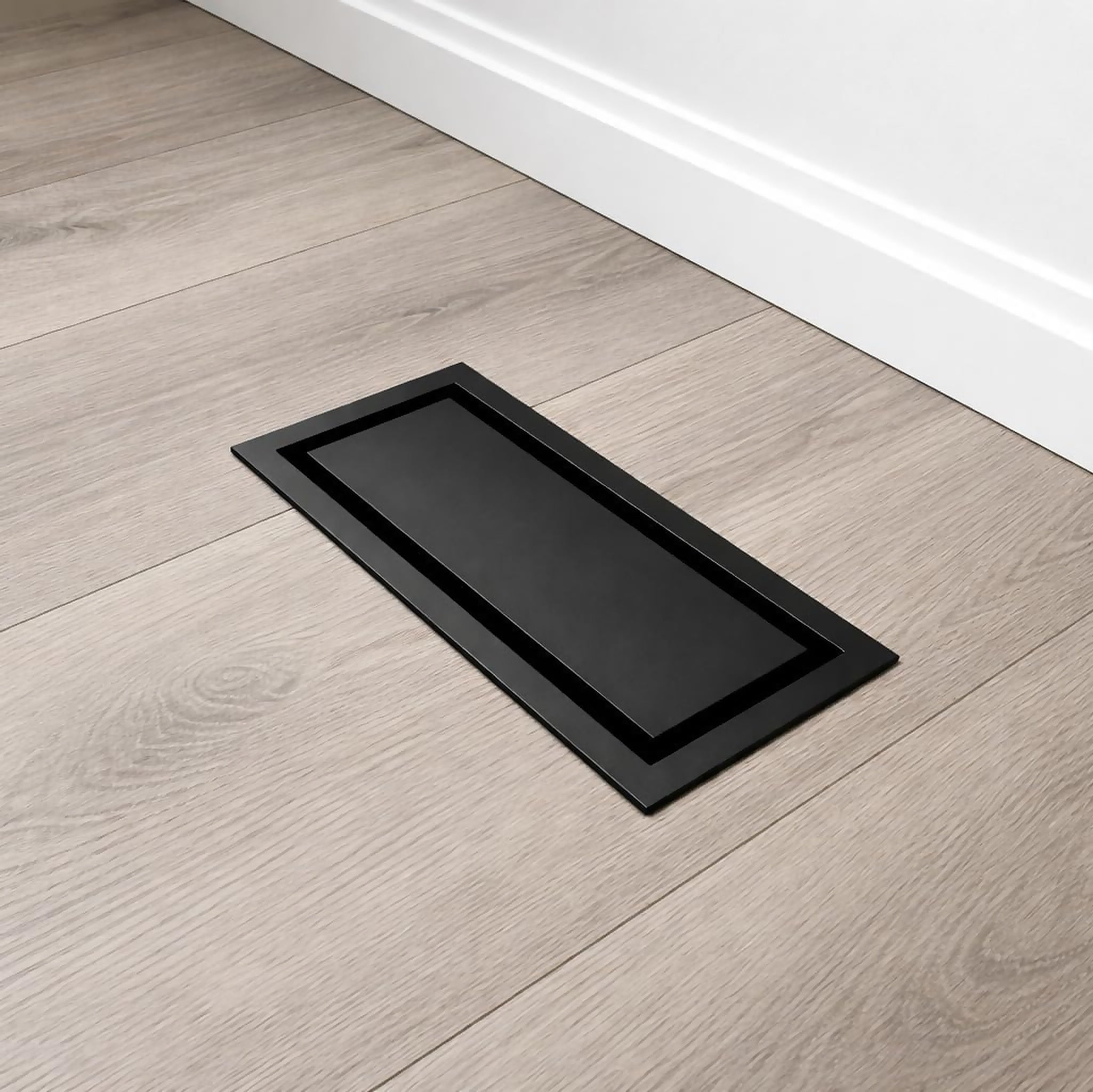
If you have just laid new luxury vinyl plank, the last thing you want is a bulky, mismatched grille breaking up that clean floor. Choosing the right floor vents for vinyl plank (LVP) flooring comes down to three things: depth, how the vent sits against the plank, and getting the register size right. LVP is thinner than hardwood and floats over an underlayment, so a vent that worked with your old subfloor may no longer sit level. Here is how to get it right the first time.
Why LVP changes the vent you need
Luxury vinyl plank is typically only 4 to 8 mm thick and clicks together as a floating floor. That means two things for your vents. First, the finished floor height is usually lower than old hardwood or tile, so a deep, drop-in register can leave a lip that catches socks and vacuum wheels. Second, because the planks float, you should never fasten a vent frame through the LVP itself — it needs room to expand and contract with our Canadian temperature swings.
The fix is choosing a vent style built for the finished height of your floor and leaving a small expansion gap around the duct opening, just as you would along a wall.
Flush undermount vs. drop-in: which suits LVP?
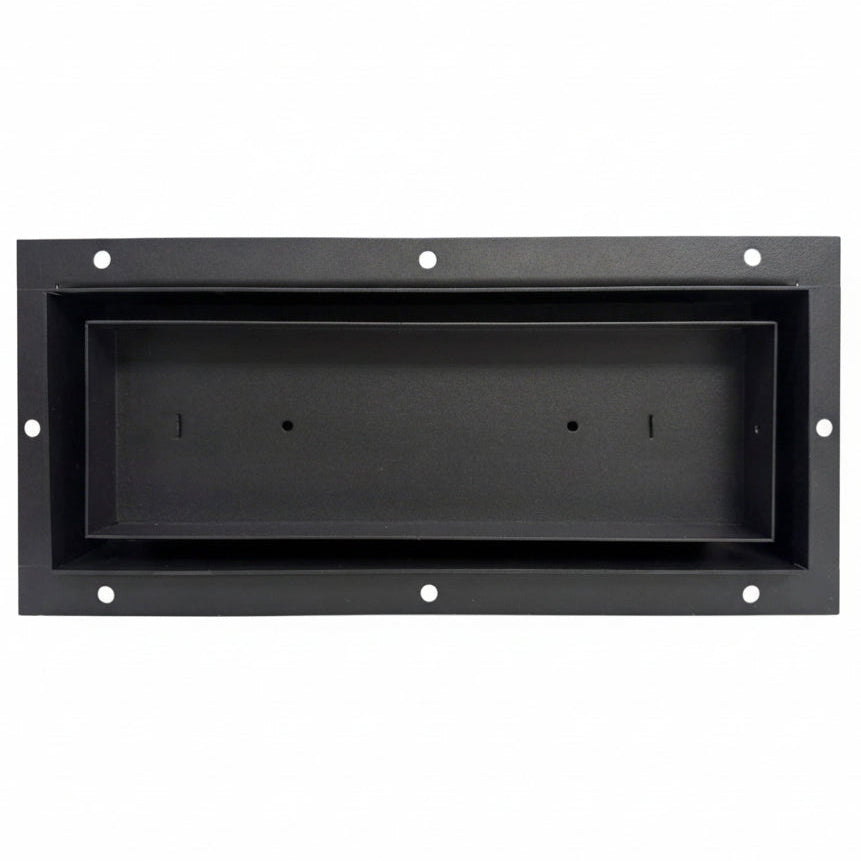
For a truly built-in look, an undermount flush floor vent is the cleaner choice. It installs down into the subfloor so the grille sits completely flush with the top of the plank — no raised rim at all. Because it goes in before or during flooring installation, plan for it early. It comes in 3x10, 4x10, and 4x12, all in 100% metal that will not warp the way plastic can under a warm supply duct.
If your LVP is already down, or you want a vent you can pop out and replace later without touching the floor, a drop-in metal floor vent is the practical pick. Its click-in, compression fit holds firm in a standard duct opening and its raised airflow design moves up to 60% more air than comparable flush vents — handy for basements and back bedrooms that never quite warm up. For a colour-matched finish, the 2-in-1 drop-in vent with insert lets you drop in a piece of your own flooring so the vent nearly disappears.
Not sure how flush options compare across rooms? Our breakdown of hidden and flush floor vent styles walks through the trade-offs.
Measuring for LVP: measure the hole, not the old vent
The most common mistake is ordering to match the grille you are replacing instead of the duct opening underneath. Floor vents are sized by the duct hole, not the outer faceplate — a 4x10 vent covers a roughly 4-inch by 10-inch opening. Pull the old register, measure the actual cut in the subfloor, and round to the nearest standard size. If you are cutting fresh LVP around the opening, leave a 3 to 6 mm gap so the planks can move. Our full guide on measuring your vents correctly covers the tricky cases.
A few finishing tips
- Match the flow direction: supply vents (warm or cool air blowing up) sit best with an adjustable damper; return vents do not need one.
- Mind the underlayment: if your LVP has attached padding, account for that extra height when checking that the vent sits level.
- Go metal in high-traffic spots: hallways and kitchens take real foot traffic, and metal keeps its shape and finish far longer than plastic.
Frequently Asked Questions
Can I install a floor vent after my LVP is already down?
Yes. A drop-in metal vent uses a compression fit that seats into the existing duct opening without fasteners through the plank, so you can replace it any time without disturbing the floor.
What size floor vent do I need for vinyl plank?
Measure the duct opening cut into the subfloor, not the old grille. Standard residential sizes are 3x10, 4x10, and 4x12; round your measurement to the nearest one.
Are metal vents better than plastic for LVP floors?
Metal holds its shape under warm supply air and heavy foot traffic, where plastic can warp or crack over time. All Khan Supply CO floor vents are 100% metal and backed by a 2-year warranty.
Ready to shop? Browse the full flush floor vents collection — every LVP-friendly style above, in black or white, with free shipping across Canada.
Share:
Supply vs Return Vents: Which Register Do You Need?
Flush vs Framed Wall Vents: Which Is Right for Your Home?